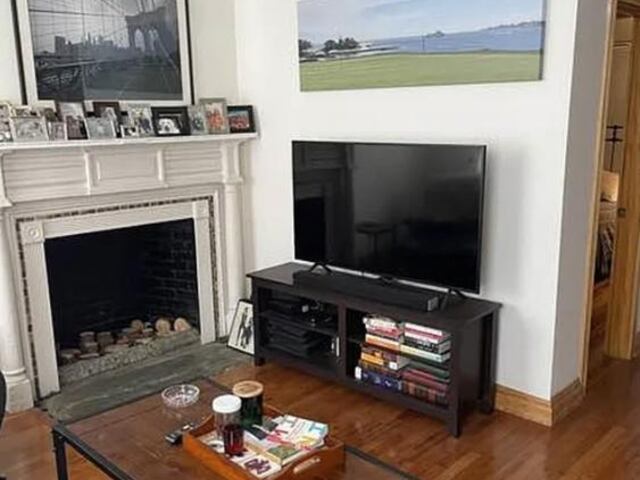
No fee
Posted yesterday Plaza Real Estate Group Inc, Broker
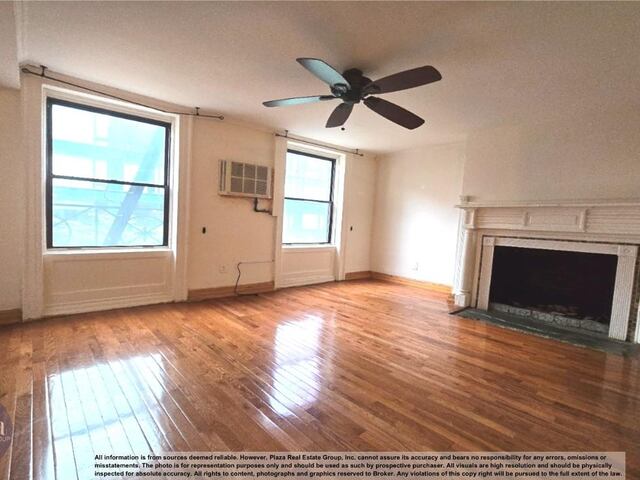
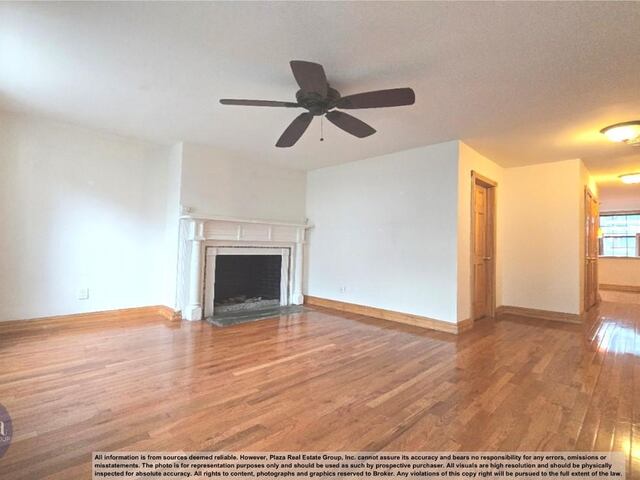
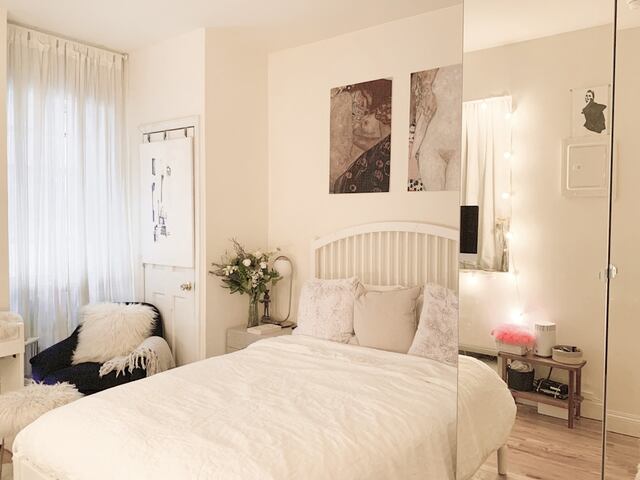
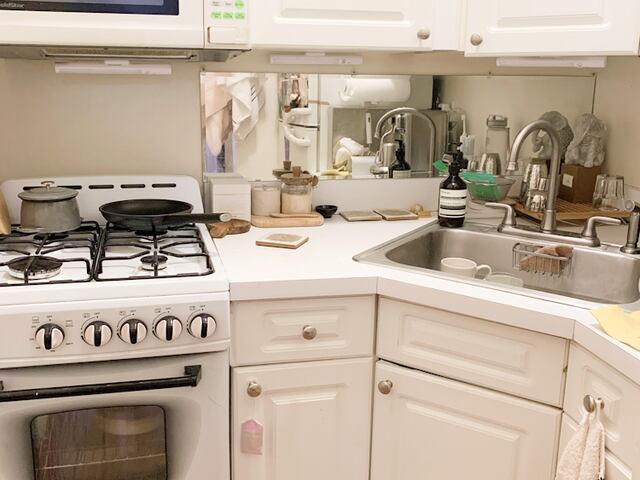
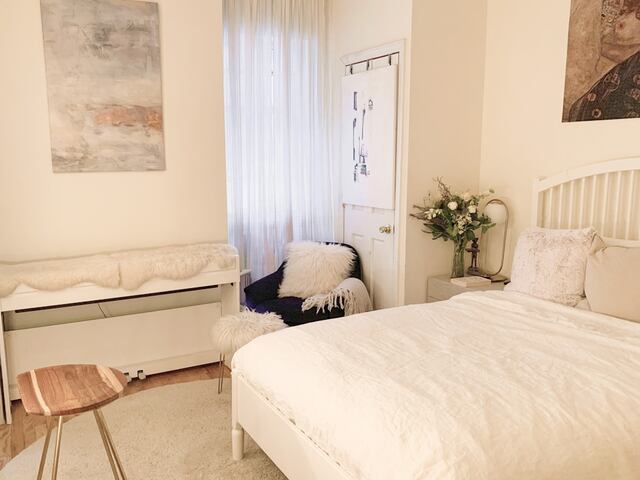
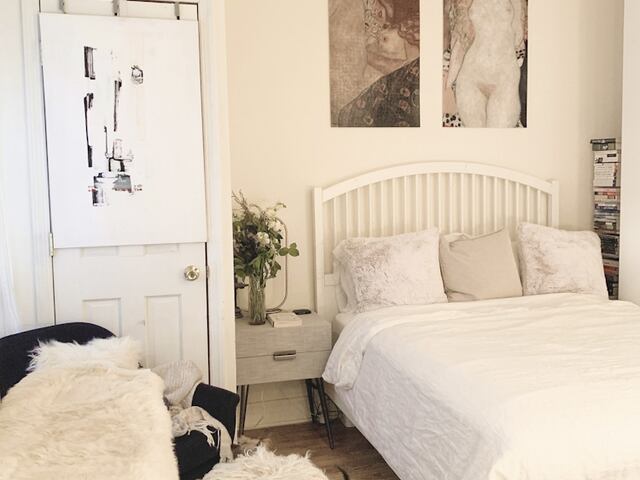
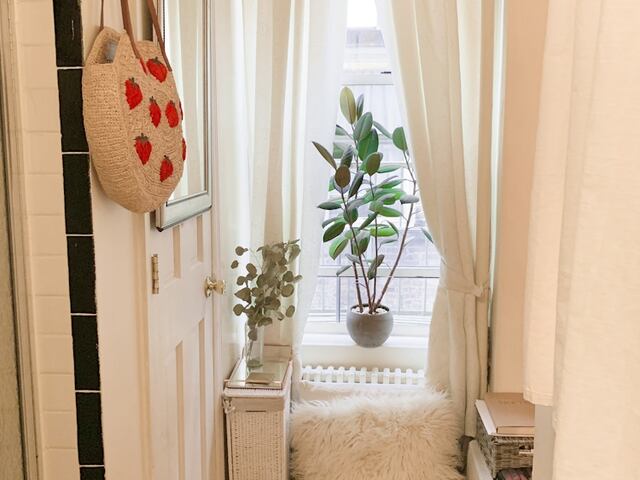
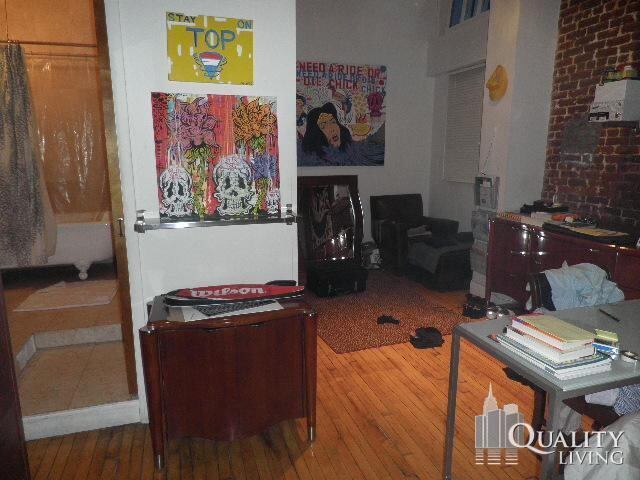
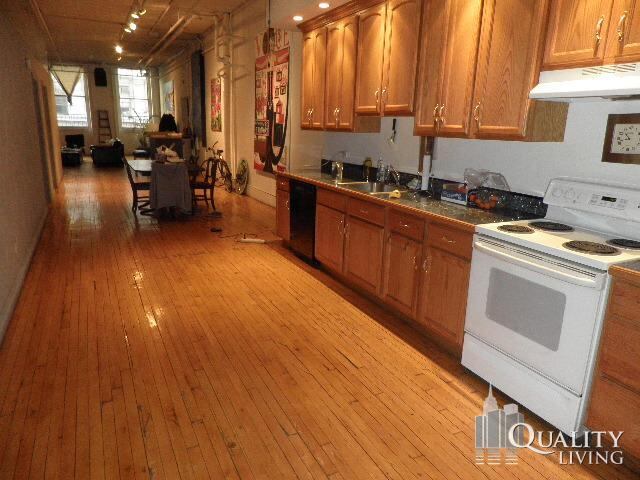
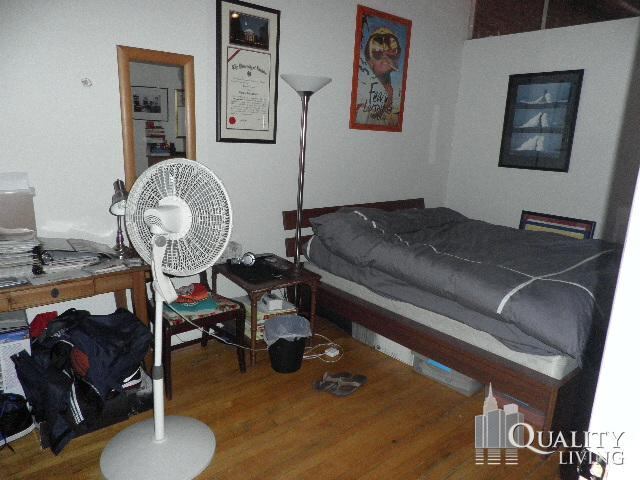
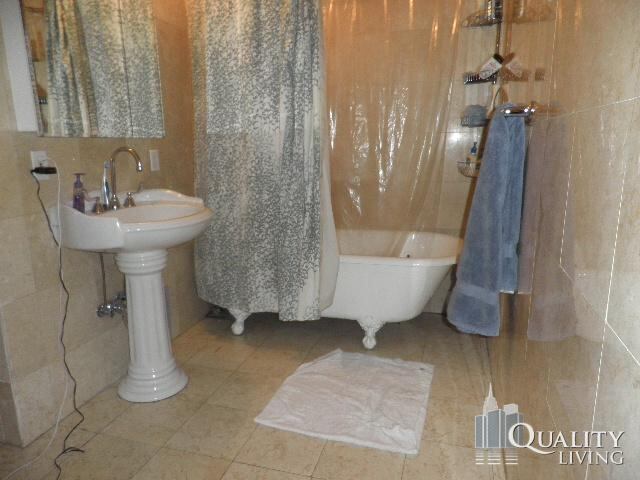
1-Bedroom at 508 Greenwich Street
508 Greenwich Street (Hudson Square, MN)
$6,500/month
- 1 Bed
- 1.0 Bath
- Low-rise

| Borough | Manhattan |
| Area | 9,514,280 sq. ft. |
| Rental listings | 2 no-fee, 2 fee ads |
| Median rent | $6,247 |
SoHo is a neighborhood in Manhattan. Its total area is 9,514,280 square feet, which corresponds to approximately 95 theoretical city blocks.
| Layout | Ads | Median | Average |
| Studio | 1 | $3,195 | $3,195 |
| 1 Bedroom | 2 | $6,247 | $6,248 |
| 2 Bedroom | 0 | $0 | $0 |
| 3+ Bedrooms | 1 | $9,000 | $9,000 |
| Total | 4 | $6,247 | $6,172 |
| See all SoHo Apartments for Rent | |||
Total: 2 no-fee, 2 fee ads
Posted yesterday Plaza Real Estate Group Inc, Broker
508 Greenwich Street (Hudson Square, MN)
Posted 4 days ago Time Equities, Manager
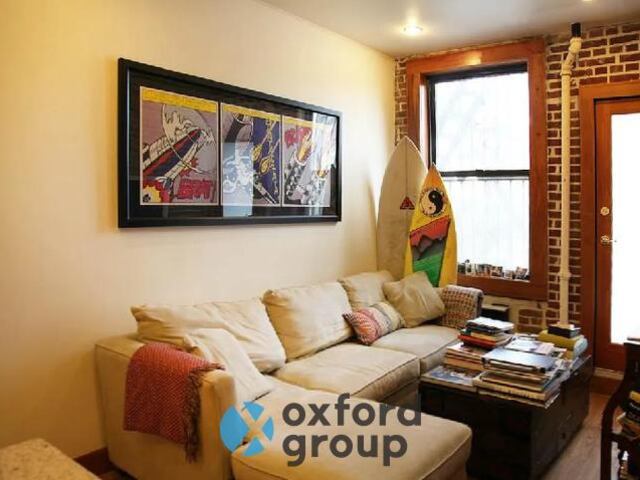
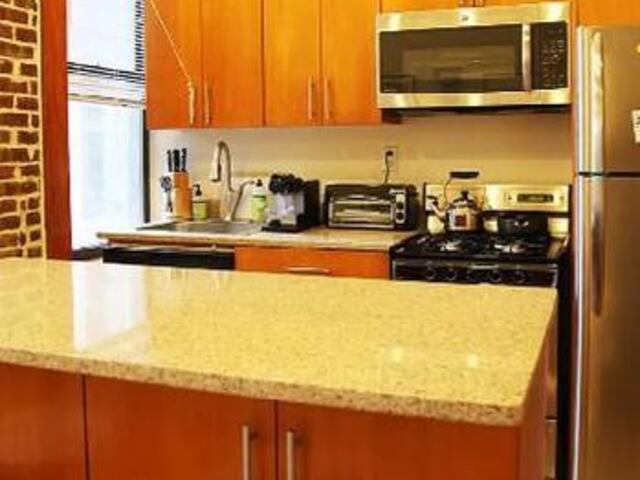
170-172 Spring Street (SoHo, MN)
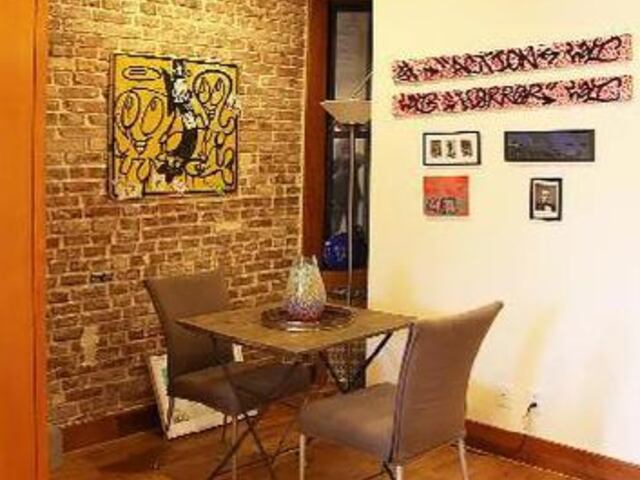
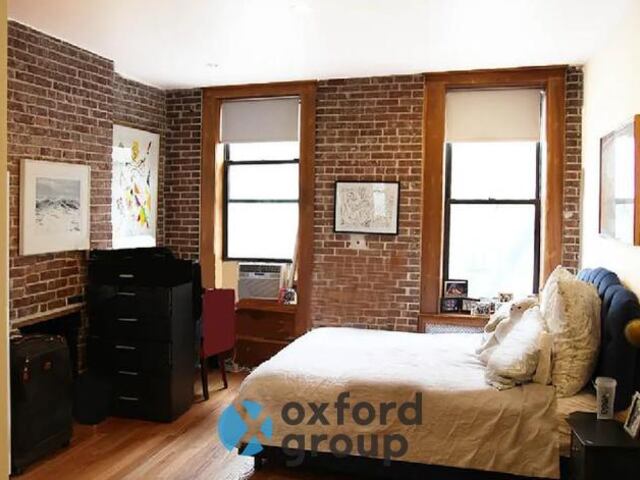
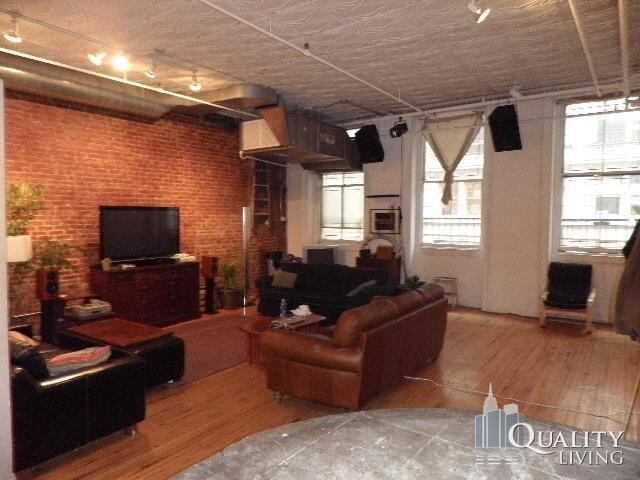
» See all 4 rental listings in SoHo
Although the area is now mostly zoned as residential, there are few conventional rental apartment buildings (i.e. buildings where mere mortals can rent an apartment). Some tenement-type buildings (typically constructed around 1900) do exist, however - mostly on the western side of SoHo, along Sixth Avenue. Apartments in these buildings are certainly not lofts, but at least the fact that they exist is reassuring; they allow a few of those lucky less-than-millionaires to live in the neighborhood, too.
As for the rest of SoHo, it consists mostly of magnificent loft buildings, typically with a commercial ground floor and between two and four floors of loft apartments (sometimes undivided floor-throughs) above it.
Given the scarcity of empty lots and the landmark status conferred to most loft buildings, new construction is quite rare. But with SoHo representing one of the most desirable neighborhoods for real estate developers, the occasional condo project does get realized (a fairly recent example is Jean Nouvel's 40 Mercer Street).
People inhabiting SoHo in the 60's, 70's and 80's were artists attracted by large and vacant industrial spaces (which work well for hanging paintings as one can imagine). They squatted in empty buildings (in the 60's most of SoHo buildings were empty), and gradually re-populated the neighborhood. This was in direct violation of the zoning code in effect as the area was zoned for industrial use. The legal fight that ensued allowed most artists to remain in the area and buy out the buildings from their current owners (for what very soon would seem as an absurdly low price). This was done under the "Artists in Residence" program.
In the early 1970's SoHo was designated a historic district and gentrification began in earnest.
The 1970's and 1980's saw the peak of artistic activity in the area. During those two decades, most of the city's modern art galleries moved to SoHo. Some hired world-famous architects to design their interiors.
But as it often happens, the neighborhood fell victim to its own success, at least in what concerns its status as an artistic mecca. The late 1980's and the early 1990's brought so many retailers to the area that the whole neighborhood started resembling a gigantic open-air shopping mall. Rents shot up. Art galleries started to move out (mostly to Chelsea and, to a lesser extent and somewhat later, to Williamsburg).
Today, real estate projects that get underway in SoHo are of the luxury variety. Low-cost establishments (now only apartment buildings, but also stores and restaurants) have all but disappeared.