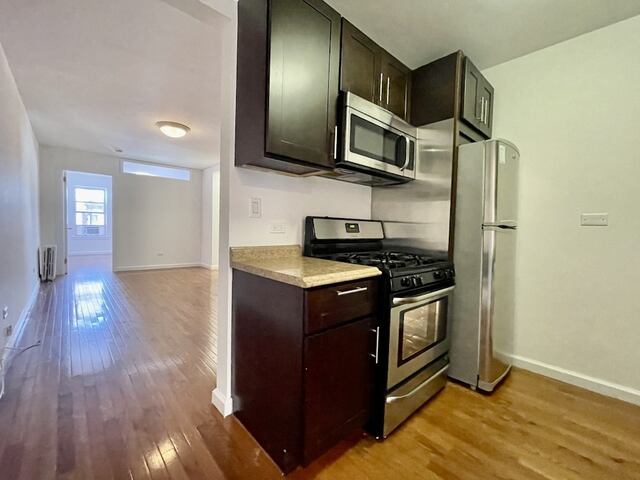
Posted 43 days ago Zjama Realty Corp, Broker
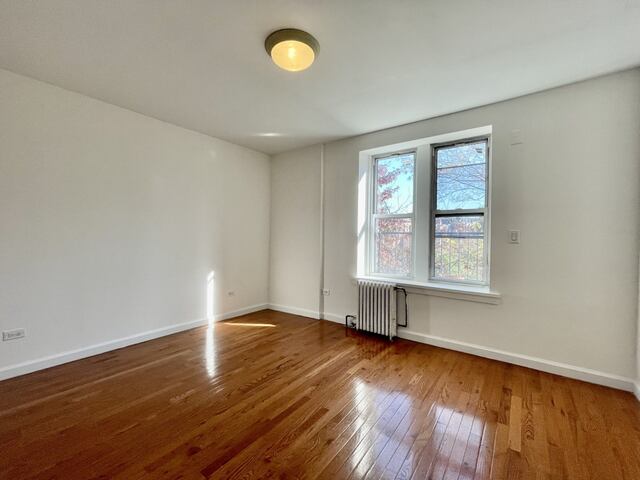
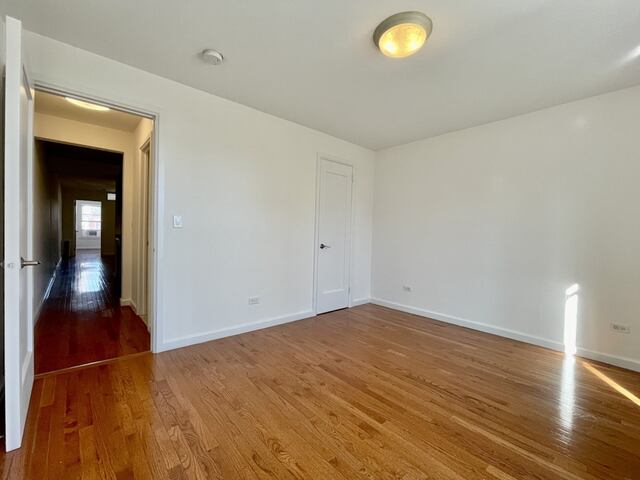
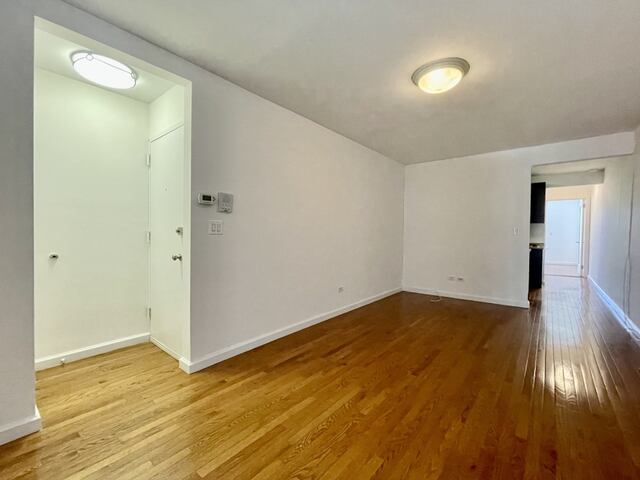
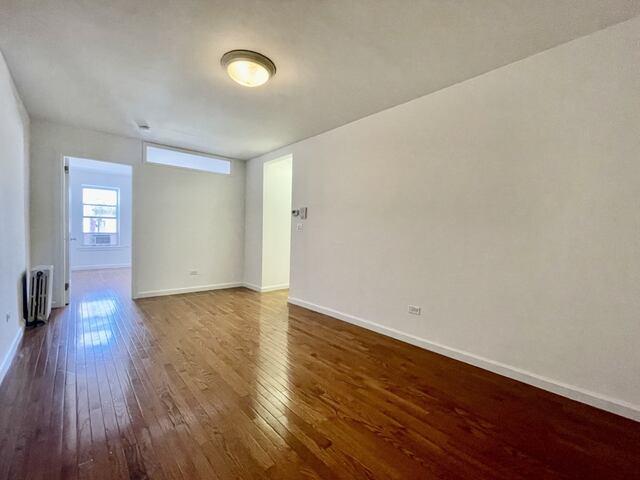
2-Bedroom at 475 4th Avenue
475 4th Avenue (Park Slope, BK)
$4,195/month
- 2 Beds
- 1.0 Bath
- Low-rise

| Borough | Brooklyn |
| Area | 29,560,562 sq. ft. |
| Rental listings | 1 fee ad |
| Median rent | $4,195 |
Known for its beautiful brownstone buildings, wide avenues, and neighboring Prospect Park, Park Slope is primarily a residential neighborhood. Nevertheless, you will also find many small bookstores, coffee shops, and restaurants here – particularly along 7th and 5th Avenues. 4th Avenue, along which most new residential development now occurs, is a major traffic route. Park Slope is considered one of the most child-friendly neighborhoods in New York City.
| Layout | Ads | Median | Average |
| Studio | 0 | $0 | $0 |
| 1 Bedroom | 0 | $0 | $0 |
| 2 Bedroom | 1 | $4,195 | $4,195 |
| 3+ Bedrooms | 0 | $0 | $0 |
| Total | 1 | $4,195 | $4,195 |
| See all Park Slope Apartments for Rent | |||
Total: 1 fee ad
Posted 43 days ago Zjama Realty Corp, Broker
475 4th Avenue (Park Slope, BK)
» See all 1 rental listings in Park Slope
As a rule of thumb, the closer to Prospect Park, the more expensive apartments get. Rent-stabilized apartments can still be found (which means that rents on otherwise comparable apartments can be drastically different). In 2003 the city rezoned 110 blocks in the area, to protect the neighborhood's low-rise brownstones but also to allow for buildings of up to 12 stories high in the Park Slope section of 4th Avenue. Most new developments are happening in this area, previously "home" mostly to auto repair shops and the like.
Starting from the 1950s, as the middle class was heading for the suburbs, previously prestigious Park Slope was deteriorating. It gradually became a poorer, working-class, predominantly Italian and Irish neighborhood. By the late 1970s, buildings around 5th Avenue were routinely abandoned. This, however, was also when first seeds of revitalization were sewn: resident families and a community of newly-settled feminists (including many lesbians) began renovating abandoned brownstone buildings.
During the 1980s, an influx of immigrant families changed the neighborhood once again. In the 1990s, Park Slope became one of the favorite neighborhoods for "Manhattan refugees" fleeing the spiraling rents on the island. As expected, gentrification has proven to be a mixed blessing, with many old residents decrying the rising prices that ex-Manhattanites were seemingly importing with them.